

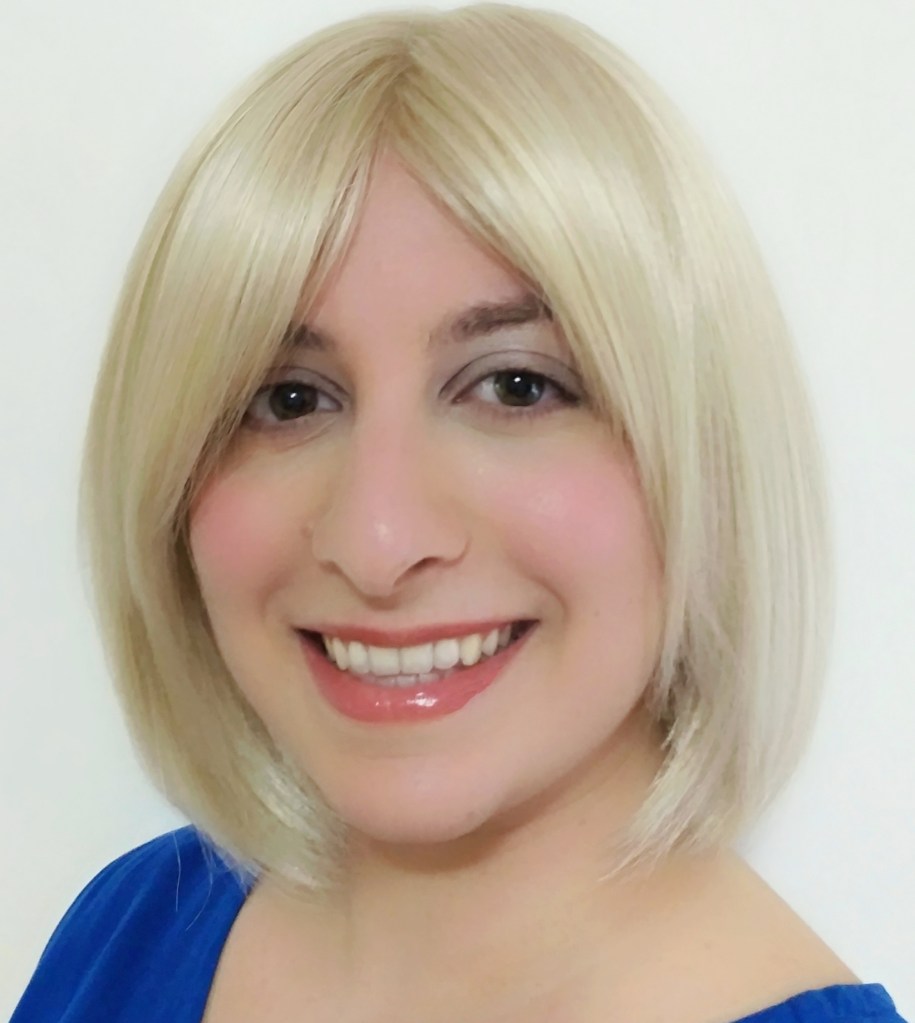
Written by Andi (Amanda) Williams, Principal Psychologist. Known for Keeping the Socratic Method Alive. Known for analogies or ‘Andi-ologies’.
This article was written by the author without AI; it’s a natural product made from recycled electrons, and any errors in tact, or fact, are transmission errors made by the electrons.
TLDR; Taking antidepressants is (kind of) like taking aspirin for a headache. Expecting aspirin to ‘cure’ your headache is unrealistic, and so is expecting antidepressants to ‘cure’ your emotional and mental pain. If you want to manage your condition without medication, I will support your choice, but we need to ensure you’re aware of the risks (and benefits) first.
- Why did the antidepressant I was taking stop working?
- Untreated mental injuries aren’t different to untreated physical injuries, they’re just invisible.
- What does cure my mental illness or mental injury?
- Antidepressants work by ‘taking the edge off’, you need to identify the cause.
- How do I know if I need antidepressants?
- Do I need medication?
© Copyright Everyone Psychology. All Rights Reserved. Do Not Publish or Reprint without Permission. © Everyone Psychology, Online Psychologists Telehealth Counselling and Coaching Australia .
Medication. Some take it, some want it, some want to avoid it.
I’m often asked by clients ‘do I need antidepressants?’ or ‘should I take antidepressants?’ or ‘I was taking an antidepressant and then I wasn’t anxious/depressed, it was great! Now I’m here to see you because the antidepressant doesn’t help anymore and I don’t know why.’
(If you aren’t sure what an antidepressant is, Healthdirect explains it well.)
© Copyright Everyone Psychology. All Rights Reserved. Do Not Publish or Reprint without Permission. © Everyone Psychology, Online Psychologists Telehealth Counselling and Coaching Australia .
Why did the antidepressant I was taking stop working?
I’m sorry if you weren’t warned, but that’s not actually how it works.
It didn’t stop working; what happened was actually expected.
What you might not have clearly understood when you started taking them was that the purpose of antidepressant medications is to help manage symptoms, not ‘cure’ your illness.
If you have a headache and you take aspirin or paracetamol it doesn’t ‘cure’ your headache. It stops the pain long enough for you to deal with what caused the headache: dehydration, muscle tension, alcohol, skipped meals, poor sleep, etc. Saying this differently; it’s similar to pain relief for a broken leg; tablets don’t knit bones back together, but they do enable you to feel less pain while your leg is stitched up and put in a cast, so that over time your leg actually heals.
If you don’t treat the cause of the headache, or you don’t set the broken bone but keep walking on it anyway (ouch)… obviously, things get worse.
Untreated mental injuries aren’t different to untreated physical injuries, they’re just invisible to the naked eye.
SSRIs (Selective serotonin reuptake inhibitors) are the most commonly prescribed anti-anxiety/antidepressants tablets. Antidepressant medications like SSRIs can be helpful when you are experiencing symptoms of anxiety and depression, but they can’t actually ‘cure’ you.
© Copyright Everyone Psychology. All Rights Reserved. Do Not Publish or Reprint without Permission. © Everyone Psychology, Online Psychologists Telehealth Counselling and Coaching Australia .
What does cure my mental illness or mental injury?
Time and effort. Sorry! Probably not the answer you hoped for. 😢
You might not need any psychological therapy if the mental and emotional pain is temporary and/or you have enough coping strategies/resources. It may simply be that you need time to process grief or manage a life transition like work, parenting, moving house, etc. You can try things like meditation, journaling, perspective taking, challenging deeply held beliefs, and active self reflection, if those don’t work (or you don’t know how to do them), please talk to a professional. Don’t wait until it’s unbearable, early intervention is key for faster (and cheaper!) recovery.
Cognitive Behavioural Therapy (CBT) is still the most effective treatment for most mental injuries and illnesses, especially stress, anxiety and depression, especially when combined with increased movement (physical activity). With mild-moderate symptoms you can choose not to take an SSRI and still get the effectiveness of CBT.
Antidepressants work by ‘taking the edge off’ your mental and emotional pain long enough for you to think clearly, and for us (you and your treating professionals) to help you identify the cause of the problem through CBT.
© Copyright Everyone Psychology. All Rights Reserved. Do Not Publish or Reprint without Permission. © Everyone Psychology, Online Psychologists Telehealth Counselling and Coaching Australia .
How do I know if I need antidepressants?
There’s no easy answer here, but I’m going to try and help simplify it for you.
If you have a mental health diagnosis, you can be prescribed any of a very long list of medications; from atypical antipsychotics, to mood stabiliser to SSRIs. Medication may have frustrating or uncomfortable side effects.
The rule of medicine is ‘first do no harm’. That means that the entirety of all scientific medicine came together and decided (using double-blind placebo testing and meta-analytic statistics) whether or not the medication does more harm than taking it, than not taking it.
So, if you’re prescribed medication, you need to be aware that not taking is (in the prescribing physicians opinion) going to do more harm than taking it.
You are likely to cause harm to yourself or others if you choose to stop taking your prescribed medication without consulting with a GP or specialist (so please don’t 🙅♀️).
© Copyright Everyone Psychology. All Rights Reserved. Do Not Publish or Reprint without Permission. © Everyone Psychology, Online Psychologists Telehealth Counselling and Coaching Australia .
Do I need medication?
Obviously, please ask a professional. In the format of this online article, I can only say you will fall into one of four groups:
1. you were born needing it
2. life events mean you need it, how much (dosage) will vary
3. you need it right now, for a short while
4. you don’t need it, but might find it helpful
Generally speaking, I differentiate these groups using a diabetes analogy.
If you have Type I diabetes, you are born with an atypical (‘broken’) pancreas. It means your pancreas cannot produce any/enough insulin. Unless you take insulin on a regular basis, you will experience serious harm (or death).
If you have Type II diabetes, you are born with a typical (‘normal’) pancreas. For some reason, your pancreas isn’t producing enough insulin. Severity varies; some need to inject insulin directly to ‘normalise’ blood sugar level, while others monitor and use lifestyle strategies to ‘normalise’ blood sugar instead.
© Copyright Everyone Psychology. All Rights Reserved. Do Not Publish or Reprint without Permission. © Everyone Psychology, Online Psychologists Telehealth Counselling and Coaching Australia .
1. you were born needing it
Do you need medication? Yes, and not taking it is a bad idea. If you have a neurological chemical imbalance like this, not taking prescribed medication is very unhealthy and highly dangerous.
This group has a biological difference, that is, a brain chemical balance that is neurologically atypical (‘abnormal’). Examples include diagnoses such as Schizophrenia or Bipolar disorder.
Unless science finds a cure, you’ll always need some kind of medication to ‘normalise’ your brain chemistry. This group are comparable to the Type I diabetics in my analogy. In fact, this group are the only ones potentially ‘cured’ by medication (i.e. by taking medication, some people stop experiencing symptoms, or experience such mild symptoms that their diagnosis is not apparent to others). So, if you are prescribed medication, and you are in this group, not taking it is likely to end up in more harm (even death) than if you did take it.
Antidepressants and SSRI is not considered an effective treatment for this group.
© Copyright Everyone Psychology. All Rights Reserved. Do Not Publish or Reprint without Permission. © Everyone Psychology, Online Psychologists Telehealth Counselling and Coaching Australia .
2. life events mean you need it, how much (dosage) will vary
Do you need medication? Yes, and not taking it is a bad idea.
This group includes those who may not have a brain chemical imbalance at birth, but you are experiencing one now. This can include diagnoses such as C-PTSD* and most personality disorders.
Not taking prescribed medication is unhealthy, because scientifically we aren’t able to ‘reset’ or manage a trauma-induced neurological chemical imbalance any other way (yet).
After sufficient treatment, you are likely to be able to manage at a lower dosage than first prescribed. With appropriate management, when you experience extremely stressful or triggering events, you can temporarily increase medication to better manage symptoms.
This group are comparable to the Type II diabetics in my analogy, but their condition has been around a very long time (e.g. since childhood) or they had something happen that permanently damaged their once healthy pancreas (e.g. C-PTSD*). In other words, after an extended period of untreated Type II, these people become comparable to the Type I diabetics in my analogy.
If you are prescribed medication, not taking it is likely to end up in more harm (even death) than if you did take it. SSRI is considered an effective treatment for this group, but is most often used in combination with stronger medications.
* A word on C-PTSD. Some may be aware that PTSD is sometimes called PTSS. Post-Traumatic Stress Disorder vs Post-Traumatic Stress Syndrome. The difference in labels does matter, but it’s confusing. You can oversimplify it by thinking of a disorder as lifelong, but a syndrome is temporary and curable. So, PTSS can be ‘cured’ because modern therapies (particularly EMDR and exposure therapies) can resolve symptoms of PTSD in most cases, before it reaches the disorder stage. Complex-PTSD symptoms can be improved with modern therapies, but will (probably) never resolve entirely (without new scientific treatments). You can also conceptualise the difference between depression (‘curable’ syndrome) vs major depressive disorder, in the same manner.
© Copyright Everyone Psychology. All Rights Reserved. Do Not Publish or Reprint without Permission. © Everyone Psychology, Online Psychologists Telehealth Counselling and Coaching Australia .
3. you need it right now, for a short while
Do you need medication? Yes, you should take it, because not taking it makes things unnecessarily difficult
This group is experiencing a brain chemical imbalance right now, but didn’t in the past.
Example diagnoses include: depression and anxiety disorders, and most people with ADHD.
Not taking any medication is possible, but extremely uncomfortable. If you want to manage your condition without medication, I will support your choice, but we need to ensure you’re very aware of the risks (and benefits) first.
This group is comparable to the Type II diabetics in my analogy; but their condition is causing severe symptoms (e.g. suicidal ideation or intense social anxiety) that are almost impossible for the person to manage.
Over time, this group is usually able to stop taking the medication and manage well; but when experiencing extremely stressful or triggering events, most will need to temporarily use medication again (that’s totally normal!) until things settle down.
SSRIs is considered an effective treatment for most people in this group. Many of my clients in this group prefer to life on a low dose of SSRI, and ‘taper up’ or ‘taper down’ their dosage in response to stress, with regular consultation with their GP/specialist and a psychologist (e.g. me).
© Copyright Everyone Psychology. All Rights Reserved. Do Not Publish or Reprint without Permission. © Everyone Psychology, Online Psychologists Telehealth Counselling and Coaching Australia .
4 you don’t need it, but might find it helpful
Do you need medication? No, but it can help
This group is experiencing brain chemical imbalance right now, but didn’t in the past. This can include diagnoses such as stress, anxiety and grief.
For this group taking medication is a choice, and dosage (if any) should be low.
These people are comparable to the Type II diabetics in my analogy; but their condition is relatively recent and they are often able to manage their symptoms in other ways. SSRI is the most common prescription and effective treatment for this group, but melatonin and short/small doses of sedatives are also common.
© Copyright Everyone Psychology. All Rights Reserved. Do Not Publish or Reprint without Permission. © Everyone Psychology, Online Psychologists Telehealth Counselling and Coaching Australia .
If you have any questions, please email us. If you want to know more about how antidepressants apply to your unique circumstances, you’ll need to book a consultation.
If you are starting to experience difficulties at work or at home, waiting until things get worse can cost you more than money. Help is available, and you definitely aren’t alone (even if it feels that way). 💚💛 Please talk to someone, like a free crisis service. If you want to talk to Andi, book online now or contact us.
Find a psychologist to get help with Life Coach | Stress | Anxiety | Depression | EAP | Sleep | Resume and Interview skills | Career coach | Executive and Entrepreneur coach | WorkCover WorkSafe RTW | WH&S | NDIS | Couples ENM Family counselling | Parenting coach | Trauma Recovery and PTSD | DV/FV/CC Recovery | Pregnancy counselling | Forced Adoption counselling | Post-partum Depression and Anxiety | Chronic Illness | Palliative Care | Grief | Allied Health coaching | Psychologist Case Conferencing and Peer Consultation with Everyone Psychology.
 Everyone Psychology
Leave a comment